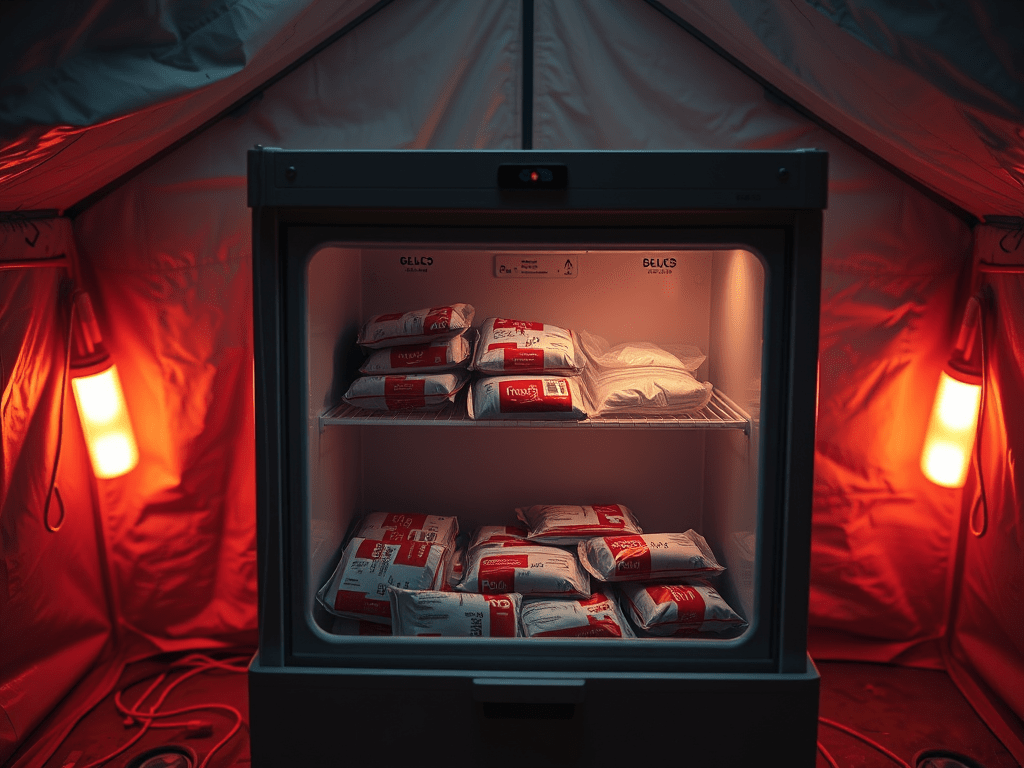
The nature of warfare is ever-evolving. As we gaze into the horizon of potential large-scale combat operations (LSCO), one critical facet demands our attention: the logistical labyrinth of blood product supply. While whole blood transfusions remain the gold standard in trauma care, their logistical constraints in the theater of LSCO necessitate a shift in our paradigm. Enter frozen packed red blood cells (pRBC) and freeze-dried plasma (FDP), emerging as the logistical linchpins that could underpin the lifesaving efforts in future conflicts.
The Whole Blood Conundrum
Whole blood, teeming with red blood cells, plasma, platelets, and clotting factors, offers an undeniable clinical advantage in hemorrhagic shock. However, its short shelf life and stringent storage requirements render it a logistical nightmare in the dynamic, resource-strained environment of LSCO. The need for refrigeration, cross-matching, and the risk of bacterial contamination severely impede the feasibility of relying solely on whole blood transfusions in large-scale conflicts.
Frozen pRBC and FDP: The Logistical Antidote
Frozen pRBC and FDP present a compelling alternative, offering an extended shelf life, reduced storage footprint, and simplified logistics. Frozen pRBC can be stored for up to 10 years, while FDP boasts a shelf life of several years, even at ambient temperatures. These blood products can be rapidly thawed and reconstituted, making them readily available for transfusion in the critical ‘golden hour’ of trauma care.
The logistical benefits of frozen pRBC and FDP are myriad:
- Extended Shelf Life: The prolonged shelf life of these products enables strategic stockpiling at forward operating bases, ensuring a readily available blood supply even in remote or contested areas.
- Reduced Storage Requirements: Frozen pRBC and FDP occupy a fraction of the space required for whole blood, easing the burden on storage and transportation infrastructure.
- Simplified Logistics: The ability to store these products at ambient temperatures eliminates the need for complex cold chain logistics, enhancing their deployability in austere environments.
- Universal Compatibility: Type O pRBC and AB plasma are universally compatible, obviating the need for time-consuming cross-matching in the heat of battle.
Clinical Considerations: A Calculated Trade-Off
While frozen pRBC and FDP offer undeniable logistical advantages, they are not without clinical trade-offs. Compared to whole blood, these products lack platelets and some clotting factors, potentially impacting their efficacy in managing coagulopathy. However, ongoing research into the development of lyophilized platelets and other adjunctive therapies holds promise for mitigating these limitations.
Furthermore, emerging evidence suggests that frozen pRBC and FDP demonstrate comparable clinical outcomes to whole blood in trauma resuscitation. While further research is warranted, the current data supports the use of these products as a viable alternative in LSCO, particularly when the logistical constraints of whole blood render it impractical.
Walking Blood Banks: A Logistical Mirage
The concept of ‘walking blood banks,’ where pre-screened donors are on standby for immediate blood donation, holds a certain allure in the context of LSCO. However, the logistical realities of large-scale conflicts render this approach largely unrealistic. The sheer volume of blood required in LSCO, coupled with the challenges of donor screening, blood collection, and transportation in a combat zone, severely limit the practicality of walking blood banks.
Moreover, relying solely on walking blood banks would introduce significant operational vulnerabilities. The risk of donor attrition due to casualties, the potential for blood-borne infections, and the logistical complexities of maintaining a donor pool in a dynamic combat environment underscore the limitations of this approach.
The Imperative of Preparedness
As we prepare for the potential challenges of future LSCO, the strategic stockpiling of frozen pRBC and FDP emerges as a critical priority. Medical decision-makers must recognize the logistical constraints of whole blood transfusions and embrace the potential of these alternative blood products. While further research is needed to refine their clinical application and address any limitations, the undeniable logistical benefits of frozen pRBC and FDP position them as indispensable tools in the arsenal of future combat medical care.
In conclusion, the logistical complexities of LSCO necessitate a pragmatic approach to blood product supply. Frozen pRBC and FDP, with their extended shelf life, reduced storage footprint, and simplified logistics, offer a compelling alternative to whole blood transfusions. While acknowledging the clinical trade-offs, the undeniable logistical advantages of these products, coupled with emerging evidence supporting their clinical efficacy, warrant their inclusion in the strategic planning for future conflicts.
By embracing the potential of frozen blood products and by prestaging these assets, we can ensure that our brave men and women in uniform have access to the lifesaving transfusions they need, even in the most challenging and austere environments. The imperative of preparedness demands that we prioritize the logistical realities of LSCO and equip our medical forces with the tools they need to prevail on the battlefield of tomorrow.

 Scalpels & Strategy
Leave a comment